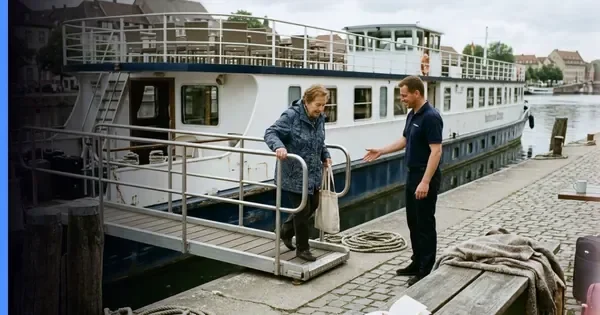
 Health and ComfortBoard Your River Cruise Safely – What to Expect from Gangways and Crew Support
Exploring UK waterways through river cruises and boat trips
- Health and ComfortBoard Your River Cruise Safely – What to Expect from Gangways and Crew Support
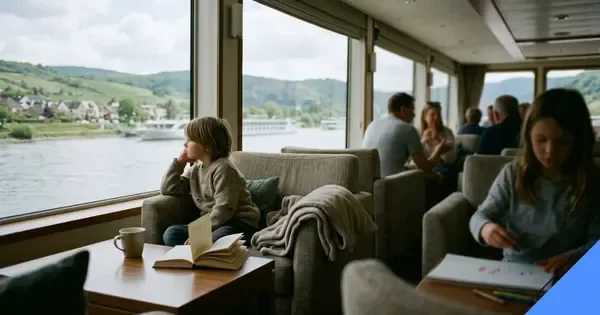 Planning Your TripTaking children on a river cruise – 4 realities that shape the trip
 Money and CostsWork out what you'll spend on your river cruise – 5 costs that shape your budget
 Shore ExcursionsWhat to do if you miss your river cruise departure – 4 steps that get you back on board
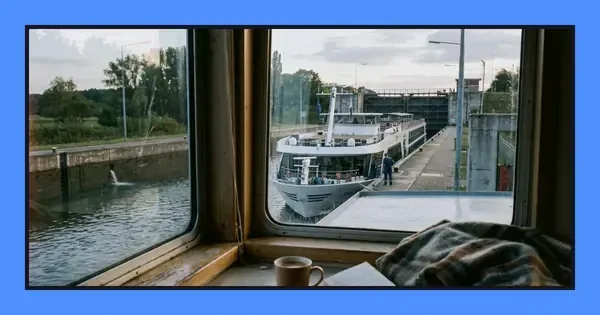 Onboard ExperienceRiver cruise locks explained: three things you'll notice on deck
 Planning Your TripChoosing your first river cruise – 6 practical decisions that shape your trip
 Money and CostsWhat you need to know about tipping on your river cruise – amounts, timing and crew pools
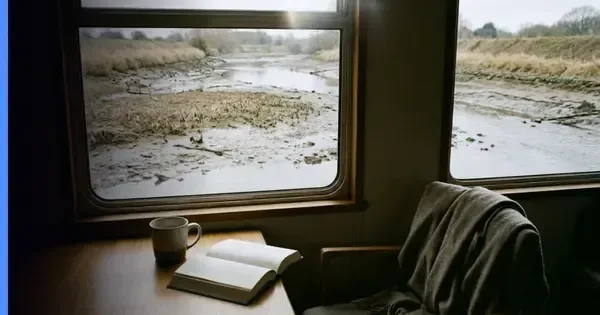 Problems and SolutionsManaging low river water on your cruise – 4 operator solutions and your rights
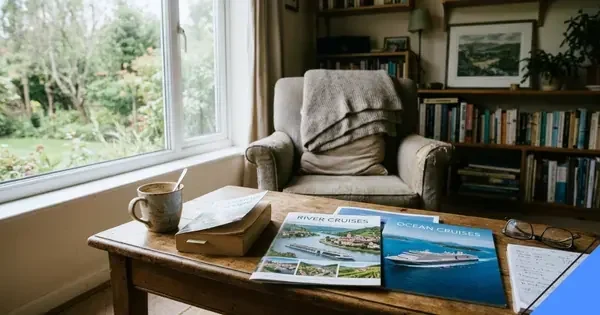 Planning Your TripChoose between river and ocean cruising – 6 differences that shape your trip
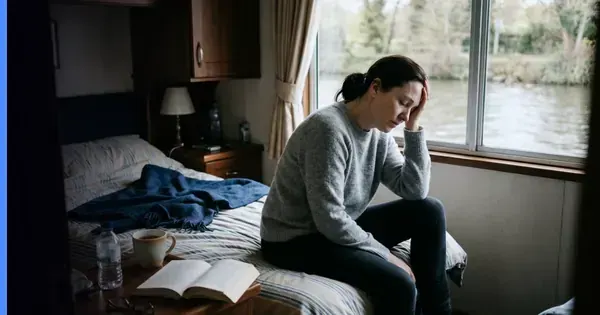 Health and ComfortManaging motion sickness on your river cruise – 4 practical steps for calmer sailing
 Planning Your TripPack the right way for your river cruise – 7 essentials and what to leave behind
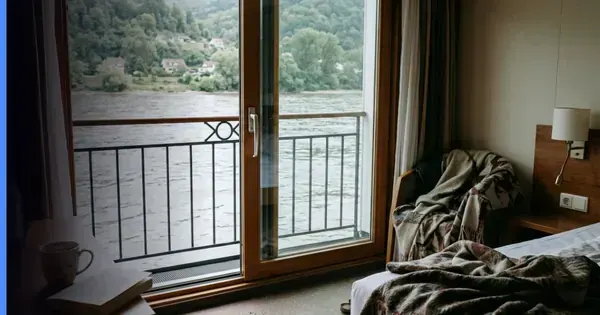 Onboard ExperienceWhat a French balcony is and how to decide if it suits your cruise
 Money and CostsWhat your all-inclusive river cruise fare covers – and the 6 extras that aren't included
Planning Your Trip
- Planning Your TripTaking children on a river cruise – 4 realities that shape the trip
- Planning Your TripChoosing your first river cruise – 6 practical decisions that shape your trip
- Planning Your TripChoose between river and ocean cruising – 6 differences that shape your trip
- Planning Your TripPack the right way for your river cruise – 7 essentials and what to leave behind
Money and Costs
- Money and CostsWork out what you'll spend on your river cruise – 5 costs that shape your budget
- Money and CostsWhat you need to know about tipping on your river cruise – amounts, timing and crew pools
- Money and CostsWhat your all-inclusive river cruise fare covers – and the 6 extras that aren't included
Imagine gliding past rolling countryside, historic towns and quiet moorings while someone else handles the navigation. River cruises and boat trips let you see Britain from a perspective most people miss—calm, unhurried and surprisingly rich in wildlife and heritage. Whether you're planning a couple of hours on the water or a full week along a canal network, you'll find routes to suit every pace and interest across England, Scotland and Wales.
Common mistakes people make when booking their first trip
Many first-timers assume all river trips are the same. They're not. A short sightseeing cruise from a city quay differs entirely from a self-drive narrowboat holiday or a skippered charter along a tidal estuary. Booking the wrong type leaves you either bored or overwhelmed.
Another frequent error is underestimating the weather. Even in summer, open water can be breezy and several degrees cooler than on land. Bring layers, a waterproof jacket and sun protection—you'll need all three on most days.
People also overlook the need to book ahead during school holidays and bank weekends. Popular routes fill up weeks in advance, especially on the Thames, the Norfolk Broads and the Caledonian Canal. If your dates are fixed, reserve early.
Choosing the wrong duration for your experience level
First-time boaters sometimes commit to a week-long hire when they've never steered a boat or worked a lock. Start with a shorter trip—two or three days—so you can learn the basics without the pressure of a long itinerary. You can always extend next time.
Where to go next once you're ready to explore
If you've enjoyed a guided tour or short hire, consider these natural next steps. The Kennet and Avon Canal links Bristol to Reading through gentle countryside and the striking Caen Hill flight of locks. The Llangollen Canal in North Wales crosses the Pontcysyllte Aqueduct, a narrow iron trough suspended above the River Dee.
For coastal interest, the Caledonian Canal through the Great Glen connects Scotland's east and west coasts via Loch Ness. Tidal sections require attention to timing, but the scenery is unmatched. The Norfolk Broads offer a maze of rivers and shallow lakes where you can moor at riverside pubs and explore on foot between sailing.
Scotland's sea lochs and the Thames above Oxford both reward confident boaters with quieter stretches and plenty of places to drop anchor. Build your skills gradually, and you'll open up routes most tourists never see.
Understanding the basics of river and canal travel
River cruises and boat trips fall into three broad categories. Scheduled sightseeing cruises run fixed routes with commentary, typically lasting one to three hours. You board, sit back and disembark at the same point. Self-drive hire means you take control of a narrowboat or day cruiser, navigating locks and moorings yourself after a short briefing. Skippered charters provide a qualified crew so you can relax while someone else handles the boat.
Canals are man-made channels with locks that raise or lower the water level. Rivers are natural watercourses, sometimes tidal, where currents and depth vary. Many routes combine both. Narrowboats are long, slender vessels designed for canal dimensions; river cruisers tend to be wider with more cabin space.
What you actually do on a self-drive hire
After a safety briefing and demonstration, you steer the boat using a tiller or wheel, keep to the correct side of the channel and manage your speed near moored craft. At a lock, you open and close gates and paddles to change the water level—physical work, but straightforward once you've done it twice. You moor wherever there's space, tying ropes to bollards or hammering pins into the bank.
Most hire companies provide a route guide with distances, lock counts and recommended stops. Mobile signal can be patchy, so download maps in advance. Fuel, water and waste disposal points appear at regular intervals along popular routes.
Practical steps to plan and book your trip
Start by deciding whether you want to be a passenger or take the helm. If you prefer guided commentary and no responsibility, look for scheduled cruises on rivers near cities—London, York, Bath and Stratford-upon-Avon all have frequent services. For longer exploration, self-drive narrowboat hire gives you freedom to set your own pace.
- Pick your route based on scenery and difficulty. Canals with few locks suit beginners; routes with heavy traffic or tidal sections demand more attention. Read descriptions carefully and check the lock count.
- Book your dates and check what's included. Most hire packages cover the boat, fuel, bedding and a full briefing. Some add bikes, Wi-Fi or pet-friendly cabins for an extra charge. Confirm cancellation terms before paying.
- Arrange travel to and from the marina. Many boatyards sit in rural areas with limited public transport. If you're driving, check parking arrangements for the duration of your hire.
- Prepare a flexible itinerary. Calculate daily distances based on cruising speed and lock time—most people cover four to six hours of travel per day comfortably. Mark potential mooring spots and supply points on your map.
- Pack for variable weather and limited storage. Soft bags fit more easily than hard cases. Bring waterproofs, layers, sturdy shoes with grip, and a torch for evening moorings without shore power.
Sorting provisions and supplies before you board
Stock up on food and drink before you reach the marina—rural boatyards rarely have shops nearby. Most boats carry a fridge, hob and grill, so you can cook on board. Keep a backup supply of drinking water, tea and coffee. If you plan to eat out, check which pubs and cafés accept moorings in advance.
Choices and options when selecting a boat and operator
Narrowboats range from basic two-berth craft to luxury vessels sleeping twelve with central heating, hot tubs and full-sized kitchens. Think honestly about your group size and comfort needs. A boat sleeping six will feel cramped with six adults and their luggage; four is more realistic.
Hire companies vary in fleet age, briefing quality and support. Read recent reviews that mention cleanliness, engine reliability and how thoroughly staff explain the controls. Some operators offer breakdown cover and 24-hour phone support; others expect you to manage minor issues yourself.
| Boat type | Best for | Typical sleeping capacity |
|---|---|---|
| Traditional narrowboat | Canals, slow pace, classic experience | Two to six |
| Wide-beam cruiser | Rivers, more living space | Four to eight |
| Day boat | Short trips, no overnight | Up to eight passengers |
| Hotel boat | Fully crewed, all meals included | Six to twelve guests |
Weighing cost against experience and season
Peak summer weeks cost considerably more than spring or autumn. If your schedule allows, book late April, May, September or early October for lower prices, fewer crowds and still-pleasant weather. Midweek breaks often come cheaper than weekend slots.
Budget hire starts at modest rates for a basic boat in low season. Luxury vessels with modern fittings command higher prices, and skippered charters or hotel boats sit at the premium end. Balance what you'll actually use against what sounds appealing in the brochure—most people spend their time on deck or ashore, not in the cabin.
Frequently asked questions
How much does it cost to hire a narrowboat for a week if you've never done it before?
Prices vary widely depending on boat size, season and operator. A basic two-berth narrowboat in low season can start affordably, while a larger vessel in peak summer will cost significantly more. Check what's included in the hire price and whether you need to arrange your own insurance.
What happens if you damage the boat or get stuck during your self-drive hire?
Most hire companies provide a damage waiver or insurance option that limits your liability for accidental damage. If you run aground or can't operate a lock, call the company's support line—many offer 24-hour assistance and can send an engineer or talk you through the problem.
Can you take children and pets on a narrowboat, and is it safe for them?
Many operators welcome children and pets, though some charge extra or require you to book a pet-friendly boat in advance. Supervise young children near the water and ensure they wear buoyancy aids on deck. Most boats have low gunwales, so constant attention is necessary.
Do you need a licence or any qualifications to steer a hire boat on UK canals?
No licence or prior qualification is required for most inland waterways in the UK. The hire company provides a safety briefing and practical demonstration before you leave, covering steering, locks and mooring. You're expected to follow navigation rules and common sense.
What should you do if the weather turns bad while you're out on the water?
Moor up and wait for conditions to improve—there's no obligation to keep moving. High winds, heavy rain or fog make navigation harder and less enjoyable. Most routes have plenty of safe mooring spots, and your route guide will show where to find shelter.